%20(2).jpg)
What to Do When You Feel Like Talking to Someone: Where to Start?

Key highlights
- Feelings of loneliness are common and can affect your mental health if they last.
- A small first step, like sending a message, can rebuild social connections.
- Friends, family members, support groups, and online support can all offer social support.
- Gentle social interactions, even with new people, can ease a sense of isolation.
- Anonymous chat, a helpline, or a crisis text line may help when talking feels hard.
- If loneliness brings hopelessness or suicidal thoughts, urgent professional support matters.
There are times when you feel like talking to someone, but you do not know who to reach out to or how to start the conversation. You might scroll through your contacts, think about sending a message, and then put your phone down again. Whether you are feeling lonely, overwhelmed, stressed, or simply in need of connection, knowing what to do when you feel like talking to someone is not always obvious.
The challenge is that wanting a conversation does not always mean knowing what you need from it. You may worry about bothering someone, fear being judged, or struggle to explain what's on your mind. Even when there are people around you, finding someone who feels available and easy to open up to is not always straightforward.
This guide will help you understand what to do when you feel like talking to someone, identify the kind of conversation you need, and explore practical ways to reach out, start conversations, and find support when your usual contacts are unavailable.
Why do you suddenly feel like talking to someone?
The feeling to talk with someone rarely comes out of nowhere. While it may seem random, there is often a reason behind it. Sometimes it's a situation in your life. Other times, it's an emotional need that hasn't been addressed. Understanding both can help you make sense of what you're feeling and decide what to do next.
What are the hidden triggers behind wanting to talk to someone?
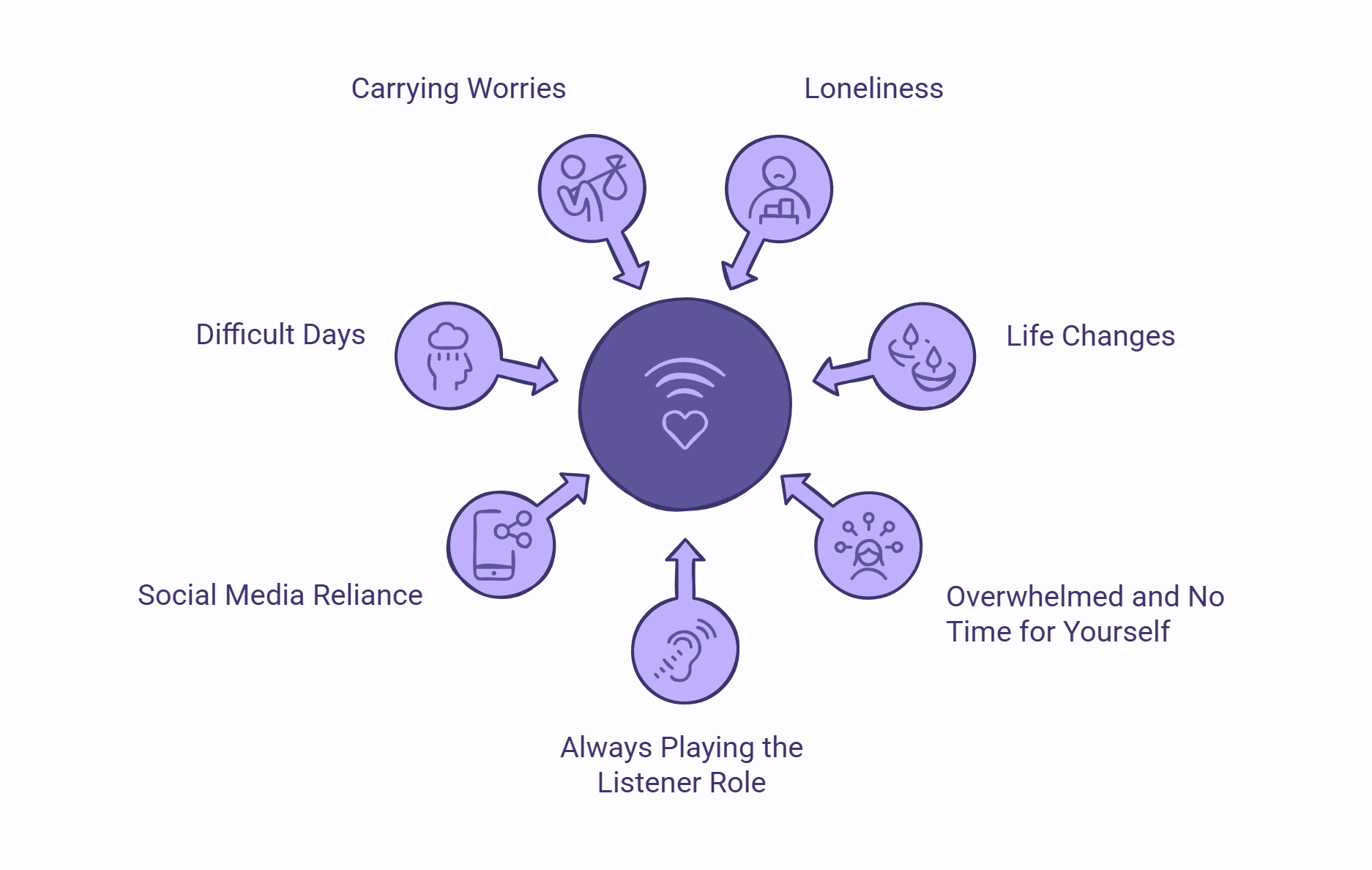
Often, the urge to talk comes from everyday situations such as:
- Spending more time alone than usual.
- Going through a major life or relationship change.
- Focusing on responsibilities without making time for yourself.
- Being the person who always listens to others.
- Relying on social media instead of meaningful conversations.
- Having a difficult day with nobody to share your feelings with.
- Carrying a worry, decision, or concern on your own.
These situations can gradually increase your need for connection, even if you don't notice it immediately.
Why do these triggers make you want to talk?
In most cases, you're not looking for a conversation itself. You're looking for what that conversation can provide:
- Understanding
- Reassurance
- Perspective
- Emotional release
- Human connection
- A space to be heard without judgement
The trigger explains what happened, while the need explains what you're hoping to gain from the conversation. Understanding both can make it easier to figure out what to do when you feel like talking to someone and the kind of support you're looking for.
If talking to someone feels easier in a private, judgement-free space, learn how Listennr supports meaningful conversations.
Before you reach out, figure out what kind of conversation you need?
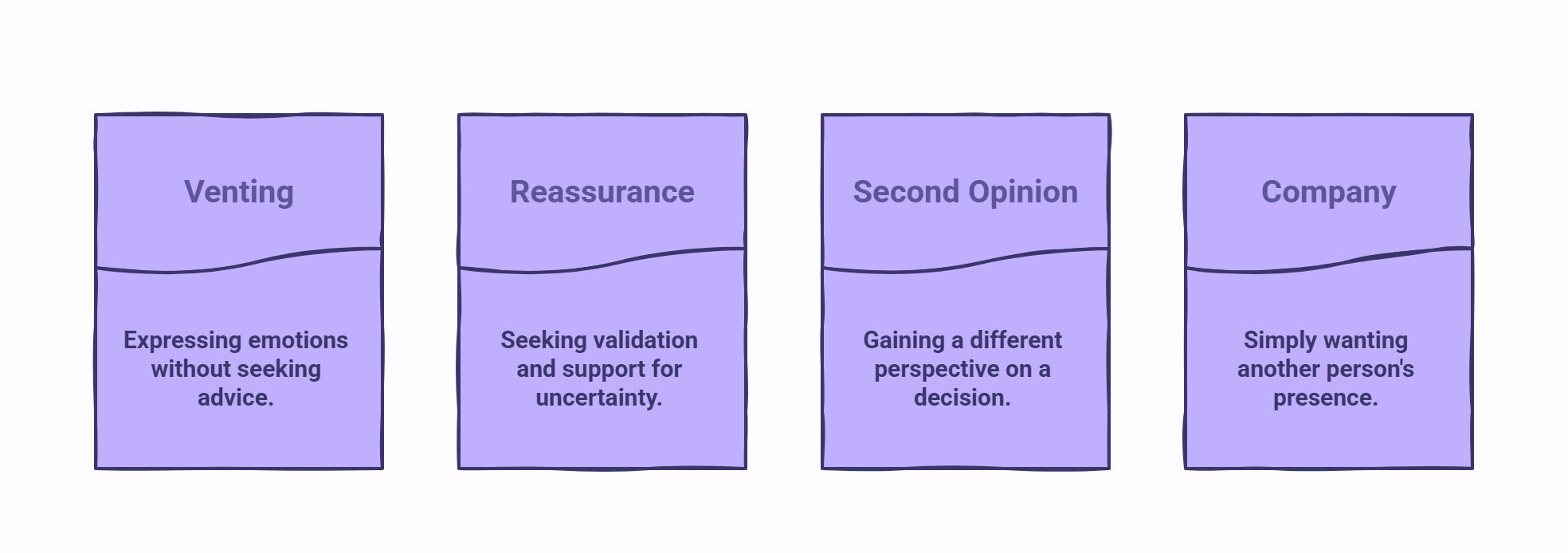
When you feel like talking to someone, it's easy to focus on who to contact. However, it's often more helpful to first understand what you need from the conversation. This can help you choose the right person and avoid feeling disappointed by their response.
1. Do you want to vent?
Sometimes, you simply need a space to express what's on your mind. You're not looking for advice or solutions, just someone who will listen without interrupting. Speaking openly can help release emotional pressure and make your thoughts feel less overwhelming.
2. Do you want reassurance?
If you're feeling uncertain or questioning yourself, reassurance may be what you're looking for. A supportive conversation can help you feel understood, validate your feelings, and remind you that you're not facing the situation entirely on your own.
3. Do you want a second opinion?
When you're struggling to make a decision or understand a situation, another perspective can help. Talking things through with someone you trust may highlight options, challenge assumptions, or simply give you more confidence in your next step.
4. Do you simply want company?
Not every conversation needs a purpose. Sometimes, you simply want another person's company after a long day or during a lonely moment. Even a casual chat can help you feel more connected and less isolated.
A quick self-check before reaching out
Ask yourself:
- Do I want someone to listen or advise?
- Am I looking for support or perspective?
- Do I want to discuss something specific?
- Would I feel better after being heard?
Most people decide who to contact before deciding what they need. Understanding the type of conversation you're looking for can make it easier to determine what to do when you feel like talking to someone and choose the right person to reach out to.
Why is it so hard to message someone when you need to talk?
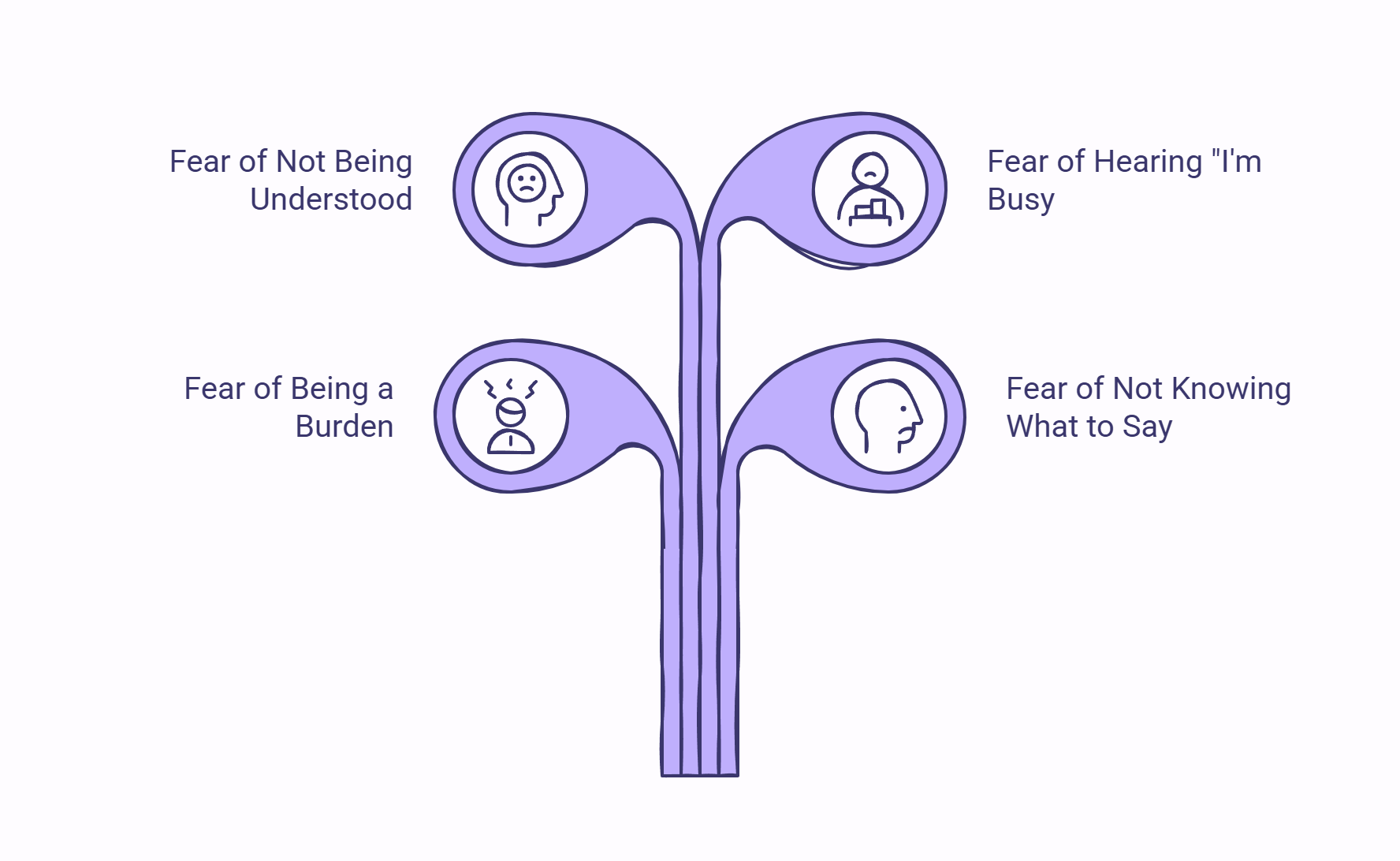
Wanting to talk and actually reaching out are often two different things. Even when you know a conversation could help, it can be surprisingly difficult to send a message or make a call. In many cases, the biggest obstacle isn't finding someone to talk to. It's overcoming the doubts that appear before you reach out.
1. The fear of being a burden
You may worry that you're interrupting someone's day, adding to their stress, or asking for too much of their time. Even when someone cares about you, it can be easy to assume that your problems are less important than theirs, making it harder to reach out.
2. The fear of not knowing what to say
Not every feeling comes with a clear explanation. You might know something is bothering you but struggle to put it into words, causing you to delay the conversation while waiting for the "right" way to start it.
3. The fear that nobody will understand
Opening up can feel risky, especially if you've felt misunderstood before. The possibility of having your feelings dismissed or misinterpreted can make staying silent feel safer than sharing what's on your mind.
4. The fear of hearing "I'm busy"
If you're already feeling vulnerable, the thought of someone being unavailable can feel discouraging. You may avoid reaching out altogether because you're worried about being ignored or turned away.
Why do these fears stop people from reaching out?
These concerns can make a simple message feel much bigger than it actually is. Instead of reaching out, you may find yourself overthinking possible responses, imagining worst-case scenarios, or waiting for the perfect moment.
The reality is that most conversations don't start perfectly. Often, the hardest part is sending the first message and giving someone the opportunity to be there for you.
Who should you actually contact first?
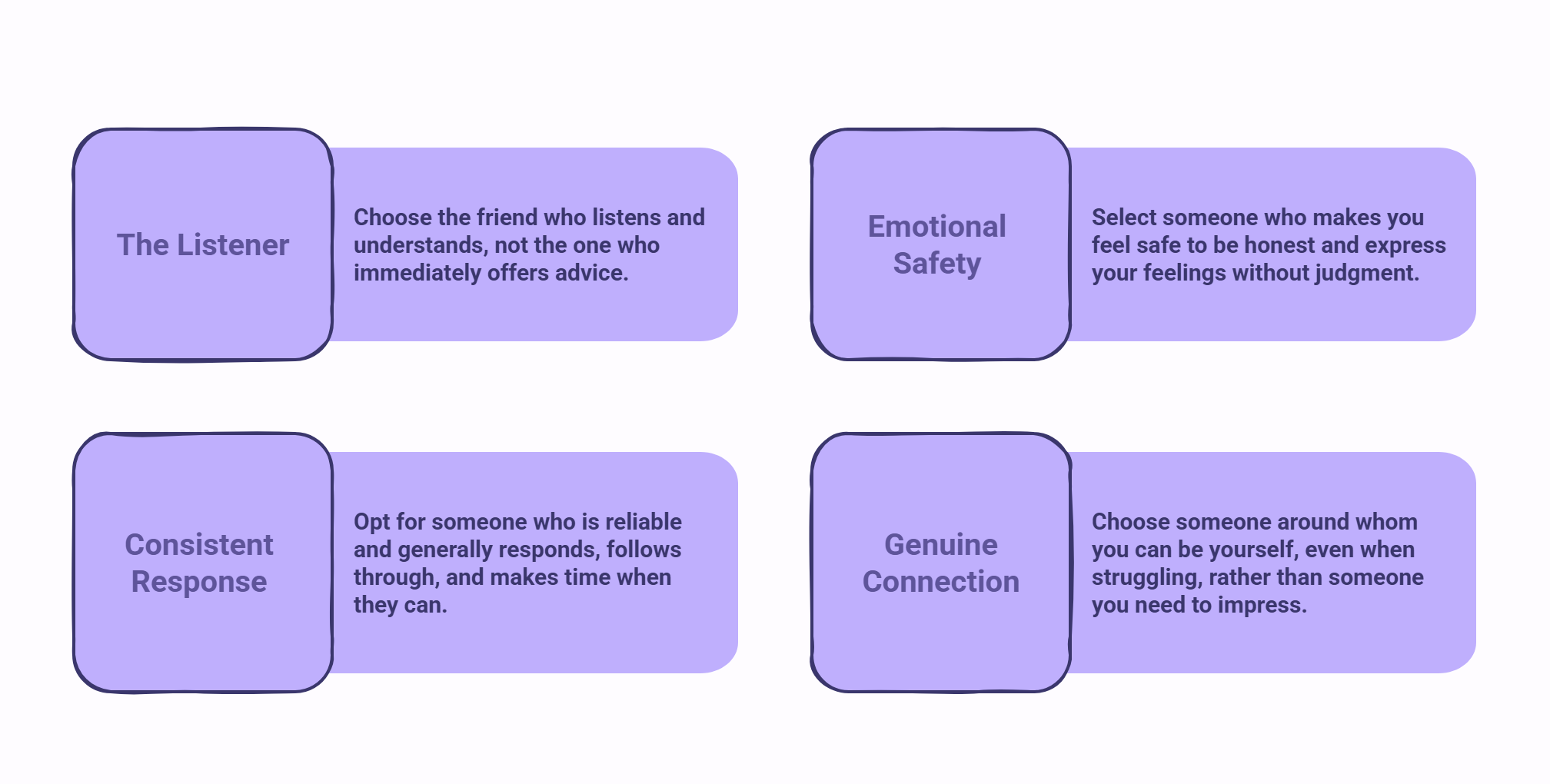
When you decide to reach out, choosing the right person can make a significant difference to how the conversation feels. Many people automatically contact the person they're closest to, but that's not always the person best suited to the conversation you need right now.
Instead of asking, "Who do I know best?" ask yourself, "Who is most likely to help me feel comfortable having this conversation?"
1. The friend who listens, not the friend who advises
Some people immediately move into problem-solving mode, while others take the time to listen and understand what you're saying. If you're looking to share your thoughts rather than receive solutions, a good listener is often the better choice.
2. The person who feels emotionally safe
Think about the people who make it easy to be honest. This is usually someone who listens without judging, respects your feelings, and allows you to speak openly without feeling uncomfortable.
3. The person who responds consistently
Support is often more helpful when it comes from someone reliable. You don't need someone who is available every minute of the day, but someone who generally responds, follows through, and makes time when they can.
4. The person you don't have to perform around
Some relationships make you feel like you need to have everything under control. Others allow you to be yourself, even when you're struggling. When you need to talk, choose someone around whom you can be genuine rather than someone you're trying to impress.
A simple framework for choosing the right person
Before sending a message, ask yourself:
- Do I feel comfortable being honest with this person?
- Have they listened well in the past?
- Do they usually respond in a supportive way?
- Can I talk to them without worrying about how I'll be perceived?
If the answer to most of these questions is yes, they're likely a good person to contact. The goal isn't to find the perfect listener. It's to find someone who makes it easier to figure out what to do when you feel like talking to someone and have the conversation you need.
If you're unsure who to reach out to, explore how Listennr gives people a space to talk when everyday support isn't available.
What if everyone you normally talk to feels unavailable?
Few things feel more discouraging than wanting to talk to someone and realising that the people you would normally contact are unavailable. Whether they're busy, travelling, dealing with their own responsibilities, or simply not responding, it can leave you feeling stuck at the exact moment you need connection.
While it's easy to take this personally, a lack of availability does not necessarily mean a lack of care. Understanding how to respond can help you avoid feeling even more isolated.
Why do many people have contacts but no conversation options?
Most people have dozens or even hundreds of contacts in their phones. However, the number of people you know is very different from the number of people you feel comfortable having a meaningful conversation with.
You may have friends, colleagues, relatives, and acquaintances, yet struggle to think of someone you can contact when you genuinely need to talk. This is a common experience and one reason why feeling lonely can happen even when you're socially connected.
What should you avoid doing when nobody replies?
When a message goes unanswered, it's natural to start making assumptions. You might convince yourself that you've said the wrong thing, that people are avoiding you, or that nobody wants to talk.
Try not to treat a delayed response as a personal judgement. There are many reasons someone may not reply immediately, and most of them have nothing to do with you.
Why does sending five messages rarely solve the problem?
When you're overwhelmed or feeling lonely need someone to talk to, messaging multiple people at once can seem like the quickest solution. However, doing so often shifts your focus from having a meaningful conversation to waiting for responses.
Instead of feeling more connected, you may find yourself repeatedly checking your phone and becoming more frustrated if nobody replies straight away. One good conversation is usually more valuable than several rushed attempts to get someone's attention.
What can you do when your usual support system isn't available?
If the people you normally talk to are unavailable, consider expanding your options rather than waiting indefinitely.
You could:
- Reach out to someone you trust but haven't spoken to recently.
- Join a community or group centred around a shared interest.
- Spend time in spaces designed for conversation and connection.
- Consider dedicated listening services where the purpose is simply to talk and be heard.
Sometimes the support you need comes from places you hadn't initially considered.
Remember that availability and care are not the same thing
One unanswered message does not mean you don't matter. People have commitments, responsibilities, and challenges of their own. While it can be disappointing when someone isn't available, it doesn't mean you have to carry everything alone.
The important thing is not to let one unavailable person convince you that there is nobody willing to listen. If you're unsure what to do when you feel like talking to someone, remember that support can come from more places than you might expect.
How do you start a conversation when you don't know what to say?
One of the biggest reasons people avoid reaching out is that they think they need to know exactly what they want to say before starting a conversation. In reality, most meaningful conversations don't begin with a perfectly organised explanation. They begin with a simple message.
1. What's the easiest first message to send?
If you're overthinking how to start, keep it straightforward. You don't need to explain everything in the first message.
Try something like:
- "Do you have a few minutes to talk later?"
- "I've had a lot on my mind recently and could use a conversation."
- "Can I run something by you?"
- "I'm not sure how to explain this yet, but I'd like to talk."
These messages work because they create space for a conversation without putting pressure on you to explain everything immediately.
2. How can you ask for a conversation without feeling needy?
Many people worry that asking to talk will make them seem dependent or demanding. A simple way to avoid this is to be clear about what you're asking for.
For example:
- "Whenever you have some time, I'd love to chat about something that's been on my mind."
- "No rush, but let me know if you're free to talk this week."
- "I could use a listening ear when you have a moment."
This gives the other person flexibility while still communicating that you'd appreciate their time.
3. What if you start talking and your mind goes blank?
This happens more often than people realise. Sometimes the pressure of finally having the conversation makes it harder to find the right words.
If that happens, don't force yourself to tell the whole story at once. Start with one of these:
- Explain what happened rather than how you feel.
- Describe what's been on your mind recently.
- Share what's making you want to talk today.
- Be honest and say, "I know I wanted to talk, but I'm struggling to put it into words."
Most people don't expect a perfectly structured explanation. In fact, saying you're finding it difficult to explain can often be the most honest and effective place to start.
Remember: the first message doesn't need to do all the work
The goal of reaching out isn't to send the perfect text. It's to open the door to a conversation. Sometimes, the best answer to what to do when you feel like talking to someone is simply to start talking. You may also find comfort in reading how others took that first step. Explore real stories on Listennr and see how being heard made a difference.
What should you do while waiting for someone to respond?
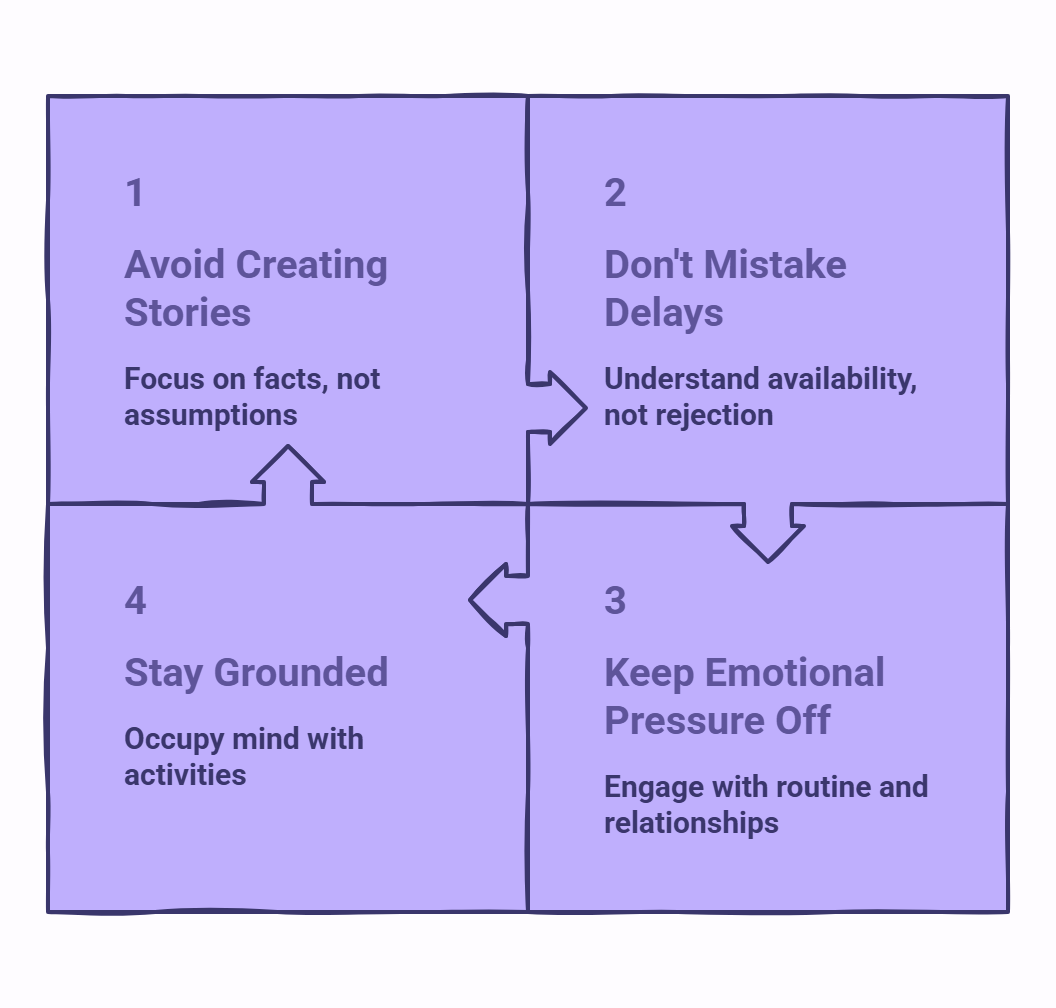
Reaching out is often only half the challenge. The waiting period that follows can be surprisingly difficult, especially if you're already feeling lonely, stressed, or emotionally vulnerable. It's easy to focus on your phone, refresh your messages, and wonder why nobody has replied yet.
1. Avoid creating stories in your head
When there's no reply, it's easy to assume the worst. However, silence doesn't automatically mean rejection, annoyance, or disinterest. Until someone responds, focus on the facts rather than creating explanations that may have little to do with reality.
2. Don't mistake delayed replies for rejection
Most people don't respond immediately, even to people they care about. Work, family commitments, travel, and everyday distractions often delay replies. A slow response is usually a reflection of someone's availability, not their opinion of you.
3. Keep the emotional pressure off one person
If one conversation becomes your only source of support, waiting can feel much harder. Continue engaging with your routine, responsibilities, and other relationships rather than putting all your emotional expectations on a single response.
4. How can you stay grounded while waiting?
Give your attention to something that keeps you mentally occupied. Go for a walk, complete a task, journal your thoughts, or spend time around other people. Staying engaged can prevent the waiting period from becoming the focus of your day.
Sometimes the person responds quickly. Sometimes they respond later than expected. Sometimes they're unavailable altogether.
A delayed reply doesn't change the fact that reaching out was a positive step. The value comes from taking action instead of staying silent, regardless of how quickly someone responds.
What to do when you feel like talking to someone at odd hours?
The need to talk doesn't always appear at a convenient time. Sometimes, it shows up when the people you would normally contact aren't available or when you're spending more time alone with your thoughts. During these moments, feelings of loneliness, stress, or overthinking can seem much more intense.
1. Why do difficult emotions often appear at odd moments?
Busy schedules often keep difficult thoughts in the background. When work slows down, routines change, or you're alone with fewer distractions, those thoughts have more room to surface.
Common situations include:
- Late at night, when the day finally becomes quiet.
- Weekends with fewer plans or social interactions.
- Holidays when you're away from your usual routine.
- Travelling alone or spending time away from familiar people.
- Reflecting on a difficult day or worrying about the future.
2. The challenge isn't always the feeling; it's the timing
Wanting to talk is one thing. Finding someone who's available is another. At odd hours, the people you trust may be asleep, spending time with family, travelling, or simply taking a break from their phones. Instead of assuming nobody cares, remind yourself that timing often has more to do with availability than willingness to listen.
3. Why scrolling social media often makes the feeling worse
When you're feeling disconnected, it's tempting to start scrolling. While it may fill the time, it rarely meets your need for a real conversation.
Instead, you may end up with:
- More overthinking
- Less sleep
- More comparison
- The same emotions you started with
If your goal is connection, social media is rarely a substitute for talking to another person.
4. Finding a space where someone is available to listen
If your usual support system isn't available, consider widening your options instead of waiting for one specific person to reply.
You could:
- Join an online community centred around conversation.
- Participate in a peer support or discussion group.
- Use a dedicated listening platform such as Listennr.
- Reach out to someone whose role is simply to listen.
The right conversation doesn't always have to come from the people you know best.
5. You don't have to wait until things feel overwhelming
It's easy to tell yourself you'll deal with it tomorrow. Sometimes that's enough. Other times, waiting only leads to more overthinking and a restless night. If you feel like talking to someone, don't dismiss that feeling simply because of the time. Finding a healthy way to connect, even briefly, can help you feel more settled and less alone.
Looking for someone to listen right now?
Sometimes, knowing what to do when you feel like talking to someone is only part of the challenge. You may still wonder who to reach out to, worry about burdening someone, or feel that the people you normally rely on aren't available.
That's where Listennr can help.
Listennr is built for moments when you simply need someone to listen. You don't have to explain everything perfectly or have a clear reason for reaching out. Whether you've had a difficult day, feel lonely, or just need a conversation, you can connect with a compassionate listener in a safe, judgement-free space.
With Listennr, you can:
- Talk openly without worrying about being judged.
- Connect with listeners who focus on understanding, not fixing.
- Share what's on your mind at your own pace.
- Have a meaningful conversation whenever you need one.
Need a listening ear? Connect with a listener on Listennr and experience the comfort of being heard.
You don't have to figure everything out alone
If you feel like talking to someone, try not to dismiss the feeling or wait for it to pass on its own. Whether you're looking for support, perspective, reassurance, or simply a human connection, reaching out can help you feel less isolated and more grounded.
The important thing is not finding the perfect person or the perfect words, but taking action. A meaningful conversation, even a short one, can often provide the clarity, comfort, or connection you've been looking for.
Frequently asked questions
Is it normal to feel nervous before talking to someone about my feelings?
Yes, it's completely normal. Fear of judgment and uncertainty can make opening up difficult. Many people experience similar feelings of sadness before sharing personal thoughts, especially when discussing something important or emotionally sensitive.
How do I decide if I need a professional or just a listening ear?
A listening ear may help when you're dealing with social isolation, stress, or the experiences of loneliness. If your struggles persist, affect daily life, or involve symptoms of mental illness, consider seeking support from a qualified professional.
What can I do if I feel like talking but would rather be alone?
You don't have to choose between complete isolation and a long conversation. A text, online chat, or short call can be a good way to stay connected while protecting your space. Approaching conversations with the right mindset can also make them feel less overwhelming.
What to talk about with someone you just met?
When talking to someone you just met, focus on finding common interests or similar interests through hobbies, work, studies, or everyday experiences. Genuine curiosity often creates a more natural conversation than trying to impress the other person.
I want to talk to someone about my feelings. Where should I start?
If you want to talk to someone about your feelings, start with one situation that has been on your mind recently. You don't need to explain everything perfectly. A little honesty and compassion for yourself can make the conversation easier.
How to make someone feel comfortable talking to you?
To make someone feel comfortable talking to you, listen without interrupting, avoid judgment, and respond with empathy. People are more likely to open up when they feel heard, respected, and given space to share at their own pace.
I feel alone and need someone to talk to. What should I do?
If you feel alone and need someone to talk to, consider reaching out to a trusted friend, family member, support group, or listening platform. Even a short conversation can be a great way to feel more connected and supported.