
Who to Talk to About Depression When You Feel Alone?

Key highlights
- Friends, family members, mentors, support groups, listeners, and mental health professionals can all be sources of support.
- You do not need to have the perfect words before talking about depression.
- A safe person listens without judgment and takes your feelings seriously.
- Support groups and trained listeners can help if opening up to people you know feels difficult.
- Professional support may be helpful if depression is affecting your daily life or well-being.
- Online platforms like Listennr can provide a private space to talk and feel heard.
You may have opened your phone ten times today, hoping someone would message you, only to ignore every notification that appeared. Not because you do not want to talk, but because answering "How are you?" feels harder than people realise.
Depression can make you crave connection and avoid it at the same time. You might want someone to notice that you are struggling, yet feel exhausted by the thought of explaining what is wrong. Some people describe it as feeling emotionally numb. Others feel overwhelmed by thoughts they cannot switch off. Either way, carrying everything alone can become exhausting.
If you are feeling depressed and need someone to talk to, you do not need a perfect explanation, a clear reason, or the right words. Sometimes the first step is simply finding a person who will listen. In this guide, you will learn where to find support, how to start the conversation, and what to do when talking feels difficult but staying silent feels even harder.
Why do so many people keep depression to themselves?
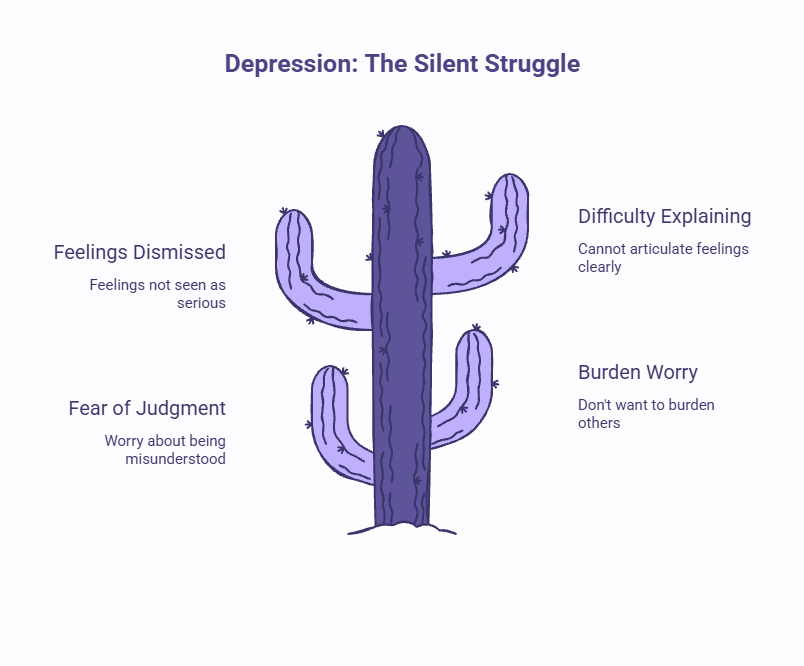
Many people hide what they are going through, not because they want to be alone, but because talking about depression can feel complicated. According to PubMedcentral suggests that, stigma remains one of the biggest barriers to seeking support, making many people hesitate to open up even when they need help.
1. Fear of being judged or misunderstood
Opening up can feel risky when you are already struggling. You may worry that someone will tell you to "stay positive," compare your situation to someone else's, or assume you are exaggerating because you still seem okay on the outside. Sometimes the fear is not being judged. It is spending the energy to explain yourself and still feeling misunderstood.
2. Worrying about becoming a burden
Many people convince themselves that everyone around them already has enough to deal with. Instead of reaching out, they keep saying, "I'll handle it myself" or "I'll talk about it later." The problem is that depression often becomes heavier when you carry it alone.
3. Thinking your feelings are not serious enough
Depression does not always look like a crisis. It can look like losing interest in things you used to enjoy, feeling exhausted all the time, avoiding people, or struggling to get through everyday tasks. Because those changes can happen gradually, many people dismiss them for months before recognising they need support.
4. Not knowing how to explain what you are feeling
Sometimes you know something is wrong, but you cannot clearly explain what it is. You may feel low, disconnected, numb, overwhelmed, or all of those things at once. When you cannot make sense of your own feelings, starting a conversation can feel almost impossible. That is why many people stay silent longer than they want to.
These barriers can make reaching out feel much harder than it should. Understanding who to talk to and where to find support can make that first conversation feel a little more manageable.
Who to talk to about depression when you need support
If you're wondering who to talk to about depression, the answer depends on what feels safest and most comfortable for you. Some people start with someone they already trust, while others prefer speaking to someone outside their personal circle.
You could consider talking to:
- A trusted friend
- A parent, sibling, or partner
- A teacher, mentor, or coach
- A support group
- A trained listener
- A therapist or counsellor
- A doctor or healthcare professional
1. When a friend or family member feels Right
A trusted friend, parent, sibling, or partner can be a good first step if you want someone familiar who will listen without judgment. You do not need to explain everything perfectly. Often, simply letting someone know you've been struggling is enough to start the conversation.
2. When you want support outside your personal life
Some people find it easier to talk to a teacher, mentor, support group, or trained listener. These options can feel less intimidating when you are worried about worrying family members or changing personal relationships.
3. When you need professional support
If depression is affecting your daily life, relationships, sleep, work, or ability to cope, consider speaking with a therapist, counsellor, or doctor. Professional support can help you understand what you're experiencing and explore the next steps.
The right person is not always the perfect person. What matters most is choosing someone you feel safe talking to and taking that first step towards support.
How to talk to parents about depression?
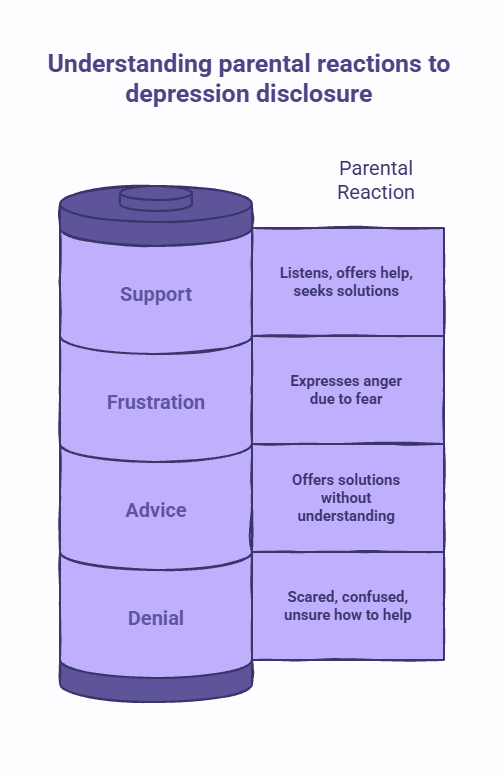
For many people, talking to parents feels harder than talking to anyone else. You may worry about upsetting them, being misunderstood, or hearing "It's just a phase" when you have spent weeks trying to understand what is happening yourself.
1. You do not need to explain everything at once
A lot of people delay the conversation because they think they need to have all the answers first.
You don't.
Your goal is not to explain every thought, symptom, or difficult day. Your goal is simply to help your parents understand that you have been struggling and need support.
2. Use examples instead of labels
Sometimes parents understand experiences better than diagnoses.
Instead of saying "I think I'm depressed," you might talk about what has changed:
- Struggling to get out of bed
- Losing interest in things you usually enjoy
- Feeling exhausted all the time
- Finding it difficult to concentrate
Specific examples often make the conversation easier to understand.
3. What if they don't understand right away?
A difficult first reaction does not always mean a lack of care.
Parents sometimes respond with denial, advice, or frustration because they feel scared, confused, or unsure how to help. While that can be painful, it does not have to be the end of the conversation.
If you do not feel heard, consider talking again later or involving another trusted adult, support service, or mental health professional.
4. Focus on the next step, not the perfect conversation
You do not need to leave the conversation with every problem solved. Many people put off talking to their parents because they feel pressure to explain everything perfectly or have a clear plan for what comes next.
Instead, focus on one small outcome. That might be letting your parents know you have been struggling, asking for support, or discussing possible next steps together. Sometimes the goal of the first conversation is simply to open the door to future conversations.
One honest discussion can make it easier to seek additional support, ask questions, or take the next step when you feel ready
What if you do not feel comfortable talking to people you know?
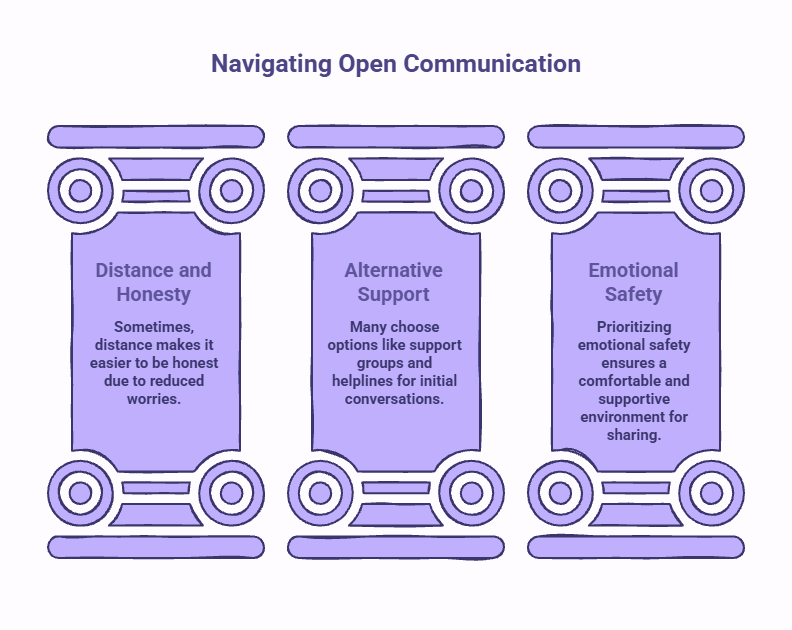
Not everyone feels ready to open up to friends or family. Sometimes, the people closest to you are the hardest people to talk to.
1. Sometimes distance makes honesty easier
Talking to someone you know can come with extra worries:
- You do not want them to worry about you
- You are afraid they will not understand
- You do not want to be treated differently afterwards
- You are not ready to answer lots of questions
- You worry the conversation will become bigger than you intended
When those concerns are present, speaking to someone outside your personal circle can feel less intimidating.
2. You do not have to start with someone you know
Many people choose options such as:
- Support groups
- Helplines
- Online listeners
- Mental health professionals
- Anonymous support platforms
For some people, the first honest conversation happens with a stranger simply because there is less fear of judgment or future awkwardness.
3. Choose emotional safety over familiarity
The best place to start is often the place where you feel most comfortable being honest.
Ask yourself:
- Can I speak openly here?
- Do I feel heard rather than judged?
- Can I talk without having to explain everything perfectly?
If the answer is yes, that may be the right place to begin, whether that is a trusted person, a support group, or a listening platform like Listennr. about harming yourself, move beyond comfort and seek urgent help through a crisis lifeline or emergency service. Emotional safety is not only about kindness. It is also about getting the right level of support when things feel dangerous.
Can you talk to someone online about depression?
Yes. For many people, talking online feels easier than talking face to face, especially when depression has already made everyday tasks feel overwhelming. Online support can give you a place to talk, whether you want anonymous conversations, peer support, or professional help.
Why online support feels easier for some people
Many people prefer online conversations because:
- There is less pressure than in face-to-face conversations
- You can reach out from your own space
- It feels easier to organise your thoughts before responding
- You do not have to worry about travel or scheduling barriers
- Anonymous options may feel safer for first conversations
Sometimes that extra distance is what makes honesty possible.
What type of online support are you looking for?
Different options serve different needs.
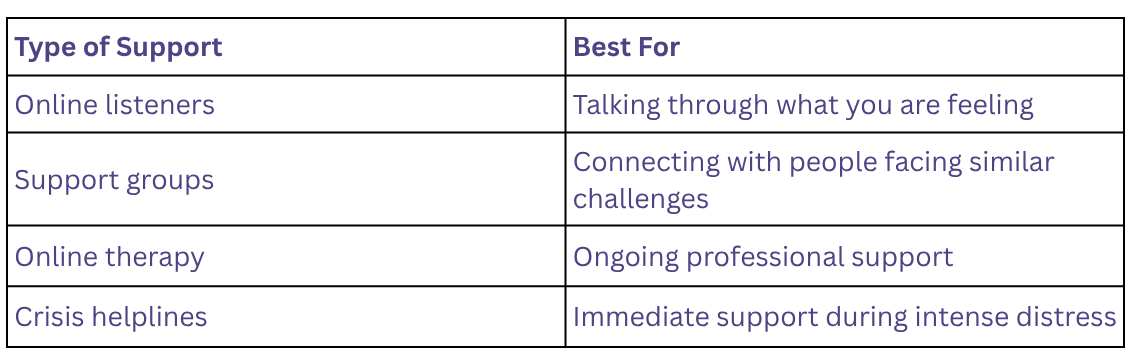
Choosing the right option depends on whether you want someone to listen, share experiences, structured support, or urgent help.
How do you know if an online platform is safe?
Before sharing personal information, check whether the platform clearly explains:
- Privacy and confidentiality policies
- Who provides the support
- What happens during a crisis
- Available chat, phone, or video options
A trustworthy service should make this information easy to find.
When you need someone to talk to
You do not need to wait until you feel ready for therapy to reach out. For some people, the first step is talking to a listener, joining a support group, or using a platform like Listennr, where they can share what is on their mind and feel heard.
The important thing is not how you start. It is making sure you do not have to carry everything alone.
How do you know if someone is safe to talk to about depression?
The right person is someone who listens without judgment, takes your feelings seriously, and makes you feel comfortable being honest. If you do not feel heard or supported, it may be worth speaking to someone else.
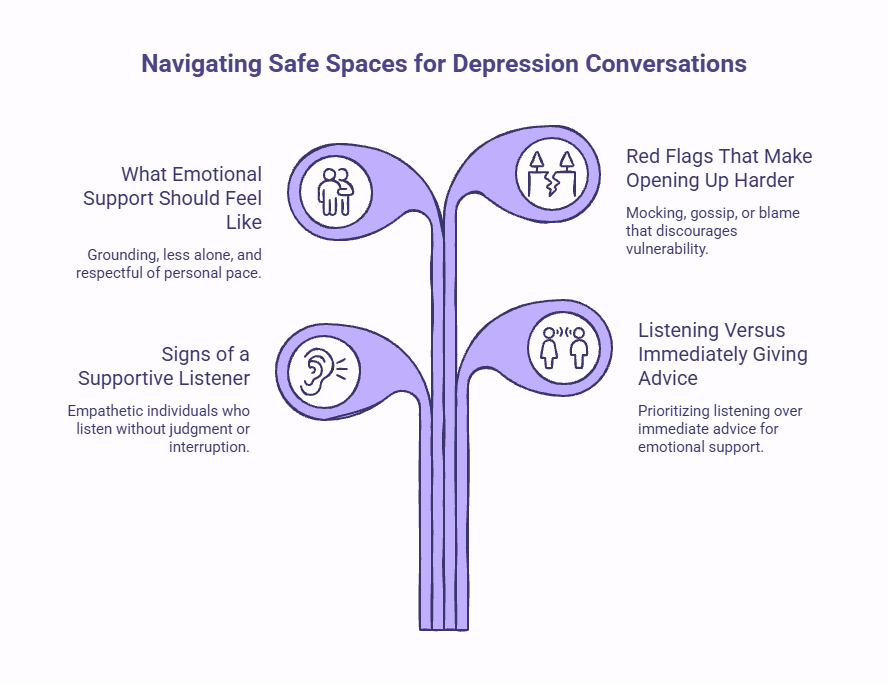
1. Signs of a supportive listener
A supportive listener does not need special training to help in the moment. What matters most is how they respond when you share something vulnerable. A good fit often feels steady rather than dramatic.
Notice whether they let you speak, stay respectful, and avoid making quick assumptions about your mental health. You should not feel rushed, mocked, or talked over. Emotional support starts with basic care and attention.
Helpful signs include:
- They listen without judging or interrupting too much
- They take your feelings seriously and do not brush them off
- They help you think about next steps, such as support groups or further help
You may still feel emotional after the conversation, but you should not feel ashamed for having it. That is often how you know the conversation was held safely.
2. Listening versus immediately giving advice
Many people mean well, but move too fast into advice. They start listing solutions before fully hearing what is wrong. That can leave you feeling unseen, even if they are trying to help. Emotional support often begins with listening, not fixing.
A better response sounds more like, “I’m glad you told me,” or “Do you want me to listen, or help you think about options?” That kind of reply gives you room to breathe. It also makes mental health support feel more collaborative.
Advice can still be useful later. A supportive person may help you look into support groups, talk therapy, or practical next steps once you feel heard. But if someone skips straight to lectures or easy answers, it may not be the safest space for a first conversation.
3. What emotional support should feel like
Good emotional support usually feels grounding. You may still feel sad, uncertain, or tired after talking, but you should also feel less alone. The right response often brings a little more breathing room, not more pressure.
It can come from a friend, a family member, support groups, or formal mental health care. What matters is that the support respects your pace. You should not be forced to share more than you want, and you should not be blamed for struggling.
Healthy support also leaves space for next steps. Maybe that means another chat tomorrow. Maybe it means booking an appointment or looking into support groups together. Whatever the next move is, emotional support should help you feel accompanied rather than handled.
4. Red flags that make opening up harder
Some responses make it harder to speak again. They can increase shame, deepen isolation, or make you doubt your own experience. That is why it helps to notice red flags early, especially when you are talking about mental health or mental illness.
A poor response does not always mean the person is bad. They may be uncomfortable, uninformed, or overwhelmed. Still, you are allowed to protect yourself and look elsewhere for emotional support if their reaction shuts you down.
Watch out for things like:
- Mocking, minimising, or telling you to “snap out of it”
- Sharing your private feelings without permission
- Turning the conversation into blame, debate, or gossip
If this happens, step back and try someone else, including support groups or a professional option. A bad response from one person does not mean your feelings are not real.
When should you seek additional support?
You do not have to wait until things feel unbearable before asking for help. If depression is lasting longer than expected, getting worse, or making everyday life harder to manage, it may be time to seek additional support.
1. Signs you may need more support
Consider reaching out if:
- Low mood or hopelessness has lasted for weeks
- You have lost interest in things you normally enjoy
- Sleep, appetite, or energy levels have changed noticeably
- Work, study, or daily responsibilities feel harder to manage
- You are withdrawing from friends, family, or social activities
- You feel stuck despite trying to cope on your own
2. When to seek help sooner
Some situations should not be handled alone.
Seek immediate support if:
- You are having suicidal thoughts
- You feel unsafe or unable to cope
- Your distress feels overwhelming or is rapidly worsening
- You are worried you might harm yourself
In these situations, contact a mental health professional, crisis helpline, or emergency service as soon as possible.
3. The earlier you reach out, the more options you have
Many people wait until they reach a breaking point before asking for help. In reality, support is often most effective when you seek it before things become overwhelming.
Whether that means speaking to a doctor, therapist, support group, or a trusted person, reaching out early can make the next steps feel more manageable.
Looking for someone to talk to about depression?
Talking about depression is not always easy. You may worry about being judged, dismissed, or becoming a burden to people you care about. Sometimes what you need most is not advice or solutions. It is a space where you can speak openly and feel genuinely heard.
If talking to friends or family feels difficult, Listennr offers a different kind of support. Built around listening-first conversations, it creates a space where you can share your thoughts, feelings, and experiences without the pressure that often comes with traditional social media or personal relationships.
With Listennr, you can:
- Connect with people who are available to listen
- Have one-to-one conversations focused on understanding, not judgment
- Share thoughts and emotions without worrying about likes, followers, or public visibility
- Talk openly in a private and supportive environment
- Feel heard when you are not ready to speak with friends, family, or a mental health professional
- Find meaningful human connection during difficult or isolating moments
- Start small, whether you need a quick conversation or a deeper discussion
Whether you want to process a difficult day, talk through emotions you have been carrying alone, or simply feel heard for a while, Listennr provides a supportive space where conversations begin with listening and genuine connection.
Conclusion
Depression can make you feel isolated, even when people are around you. The hardest part is often not finding support but taking the first step towards it. Whether that means talking to a friend, opening up to a family member, joining a support group, speaking with a professional, or starting with a platform like Listennr, you do not have to carry everything on your own.
You do not need the perfect words, a complete explanation, or a plan for what comes next. One honest conversation can be enough to break the silence and remind you that support is available. Start with the option that feels most reachable today and take it one step at a time.
Frequently asked questions
Is online support for depression truly anonymous in India?
Some platforms offer anonymous conversations, but anonymity varies by service. Before sharing, check what personal information is collected, who can see it, and how the platform protects your privacy.
How do I find free professionals to talk to about depression?
You can start with government mental health services, nonprofit organisations, university counselling centres, or helplines that offer free or low-cost support. Many regions also provide referrals to mental health professionals through public healthcare systems.
What should I expect when talking to a mental health expert for the first time?
Your first conversation will usually focus on understanding what you have been experiencing, how long it has been affecting you, and what kind of support you may need, including learning new coping skills. You do not need to have all the answers; being honest about how you are feeling is enough to start.
What kind of mental health professionals should I contact for help with depression?
Psychologists, counsellors, therapists, and psychiatrists can all help with depression therapy. The right choice depends on your needs, but speaking with any qualified mental health professional in video sessions is a good first step toward understanding your options.
Where can I find support groups for depression near me?
You can find support groups through local hospitals, mental health organisations, community centres, universities, or online directories, such as Vandrevala Foundation. If in-person options are limited, many groups also offer virtual meetings and peer support sessions.
What Is the Best App to Talk to Someone When Depressed?
If you're looking for an app to talk to someone when depressed, Listennr offers a private space to share what's on your mind with a supportive listener who is there to listen without judgment or pressure.